
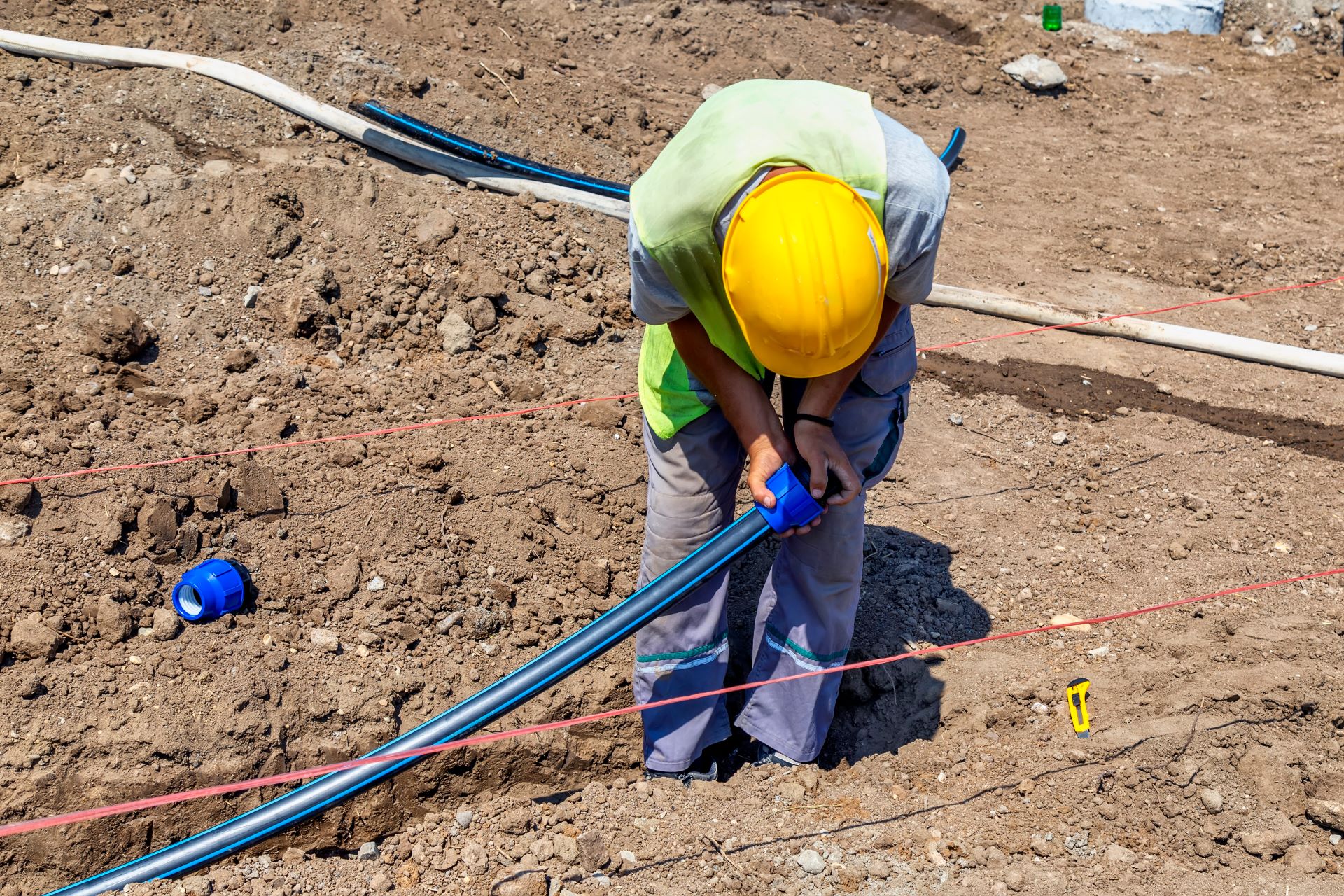
Cable pulling constitutes a precision-engineered discipline within electrical and telecommunications infrastructure projects in Dubai and across the United Arab Emirates. Far from a routine task, it demands meticulous planning, specialized equipment, and strict adherence to manufacturer specifications and regulatory standards to ensure long-term reliability and safety. In the context of Dubai’s accelerated urbanization and mega-scale developments, cable networks must withstand extreme thermal cycling, coastal humidity, abrasive sand exposure, occasional seismic activity (Zone 2B per Dubai Building Code), and high operational demands. Any deviation from best practice—such as excessive tension, inadequate duct preparation, or improper bend radii—can result in insulation abrasion, conductor damage, partial discharges, voltage instability, increased energy losses, and eventual system failure. These issues frequently lead to costly re-pulls, project delays measured in weeks or months, financial penalties from DEWA or Etisalat, and in severe cases, safety incidents or insurance claims.
Our approach begins with comprehensive pre-pull planning. Detailed review of approved drawings, cable schedules, route lengths, minimum bend radii (typically 10–12 times cable diameter per IEC and BS standards adapted for UAE conditions), and duct fill ratios (maximum 40–53% per NEC/BS guidelines) forms the foundation. Where open-cut trenching is required, geotechnical reports inform soil stability assessments. In congested urban zones or beneath major roadways, horizontal directional drilling (HDD) is coordinated, with pull-back force calculations performed to avoid over-stressing the cable or surrounding infrastructure.
Execution methods are selected according to project requirements. Short runs may utilize manual fish-tape techniques under controlled conditions. Longer underground or ducted installations employ constant-tension mechanical winches equipped with digital monitoring systems. For fiber optic cables, air-assisted blowing methods reduce frictional drag and enable longer continuous pulls. High-voltage installations (132 kV and above) incorporate basket-weave pulling grips and anti-birdcaging devices to preserve conductor integrity. Lubricants are polymer-based, non-toxic, temperature-stable formulations specifically rated for ambient conditions exceeding 50 °C to prevent degradation or residue buildup over time.
UAE-specific regulatory and environmental factors are addressed rigorously. DEWA mandates ducted installation for low- and medium-voltage cables to eliminate direct-burial risks in sandy or saline soils. Etisalat and du require micro-duct bundles to facilitate future upgrades and capacity expansion. Ambient temperature derating is applied conservatively—often necessitating 20–30% additional capacity margin during summer pulls. Post-pull duct sealing prevents long-term sand ingress that would otherwise cause progressive abrasion and eventual jacket failure.
Full compliance is maintained with DEWA Wiring Regulations (2017 edition and amendments), BS 7671, IEC 60364 series, and relevant Dubai Civil Defence requirements. Testing protocols are comprehensive: insulation resistance using Megger equipment at 1000 V or higher, continuity verification, high-potential (hi-pot) testing for high-voltage cables, and OTDR plus insertion-loss measurements for fiber optic systems. All pulling operations are logged in real time, producing tension graphs and maximum force records for traceability and handover documentation.
Representative project experience includes the successful installation of over 50 kilometers of fiber optic backbone in Jebel Ali Free Zone industrial areas, medium-voltage cable networks for multiple high-rise developments in Downtown Dubai, and structured cabling systems within premium office spaces in the Dubai International Financial Centre (DIFC). Night shifts are routinely employed to eliminate traffic disruption and maintain operational continuity in live facilities.
Safety remains paramount. All personnel utilize appropriate personal protective equipment, work zones are fully barricaded, and permit-to-work systems are enforced in accordance with OSHAD SF-2017 standards. Risk assessments identify hazards such as over-tension, heat stress, confined-space entry, and proximity to live utilities, with mitigation measures implemented accordingly.
Many contractors attempt to reduce costs by under-quoting or relying on manual pulls for extended runs, resulting in cable damage that necessitates re-pulling at three times the original expense. Our investment in calibrated hydraulic pullers, tension simulation software, trained crews holding relevant certifications (including DEWA-approved jointers where required), and digital monitoring equipment delivers measurable return on investment: extended cable service life of 5–10 years beyond industry averages, reduced energy losses from poor terminations or damaged conductors, and near-zero failure rates in operational environments.
We accommodate specialized variations including submarine cable shore-end pulls (coordinated with marine authorities), vertical riser installations in high-rise towers (utilizing roof-mounted winches), and live-line pulls with minimal outage windows. Emergency fault-response pulling is available on a 24/7 basis.
In summary, effective cable pulling is not merely the act of threading conductors through pathways; it is a controlled engineering process that safeguards project timelines, budgets, and asset longevity in one of the world’s most demanding construction environments. Our consistent delivery of compliant, high-quality installations—supported by transparent reporting, certified test documentation, and a proven track record—ensures that infrastructure performs reliably for decades under UAE conditions.


