
Demolition in Dubai is a high-risk, heavily regulated discipline where one lapse in control can result in structural failure, environmental violations, public complaints, legal action, and project paralysis. Urban sites are characterized by close proximity to occupied buildings, live traffic, active utilities, and zero tolerance for uncontrolled dust, noise, vibration, or debris projection. Pre-2000 structures often contain asbestos or other hazardous materials, while modern high-rises demand selective facade or partial demolition without compromising remaining cores or stability.
Our approach follows BS 6187 (demolition code of practice), Dubai Municipality guidelines, and DCD fire and safety codes. Planning incorporates a structural engineer-stamped stability report, hazardous material inventory (asbestos survey per DM Environmental Health requirements), sequenced demolition plan (top-down for multi-story, bottom-up where access permits), and traffic impact assessment if public roads are affected.
Execution commences with soft strip removal of non-load-bearing elements: partitions, ceilings, MEP services, finishes, and loose fittings. Structural demolition follows using mechanical methods: excavators with grapples, pulverizers, hydraulic shears for steel, and wire sawing or diamond drilling for precision cutting of concrete elements. High-reach rigs (30–50 m booms) are deployed for tower facades and upper floors. Controlled implosion is considered only in rare, remote-permitted scenarios.
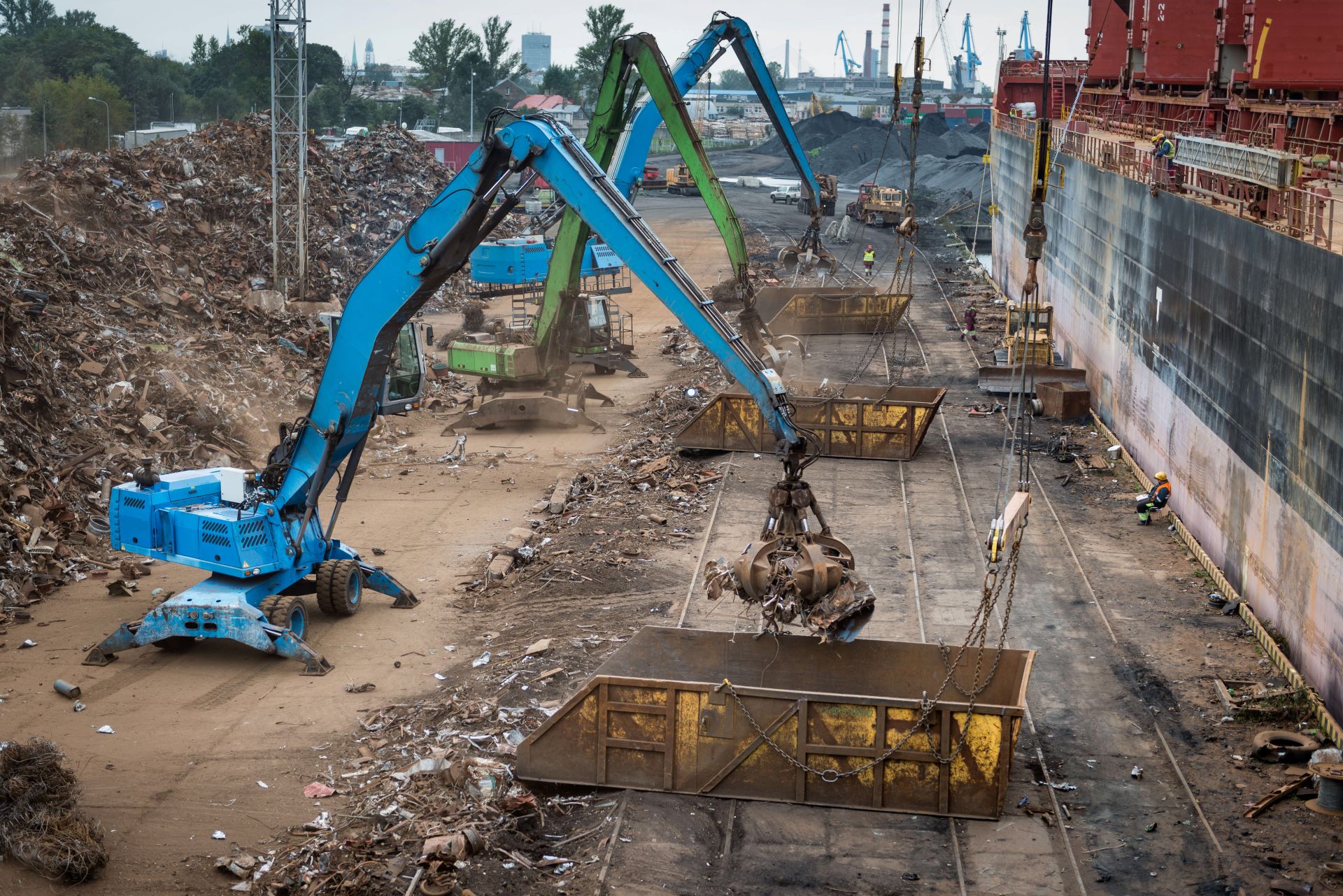
Debris management emphasizes sustainability: on-site crushing and screening for reuse as engineered fill (reducing haulage by 40–60%), segregated waste streams (metal, concrete, timber, hazardous), and licensed transportation to approved facilities. Dust control employs full-height enclosures, high-volume mist cannons (50–100 L/min), negative pressure systems in enclosed areas, and real-time PM10 monitoring. Vibration and noise are continuously recorded, maintaining limits per DM standards (noise <75 dB daytime, vibration <10 mm/s PPV).
All works comply with DM demolition permit requirements, DCD NOC for fire and explosion risks, utility isolation coordination with DEWA/Etisalat/du, and environmental clearance for waste and emissions. Post-demolition, sites are leveled, compacted, and cleared with final topographical survey for handover.
UAE-specific challenges include high-rise selective demolition (preserving cores and stability), asbestos abatement in older buildings (mandatory licensed removal), noise and dust complaints in residential zones (often requiring night shifts), and heat stress (managed through crew rotation, shaded areas, and hydration protocols).
Performance metrics include completion of typical 5,000 m² interior strip plus structural demolition in 10–14 days compared to 20–30 days by less organized teams. Recycling rates consistently reach 85–95%, reducing disposal expenditure by 35%. Zero major violations or incidents have been recorded over five years.
Variations encompass interior soft strip only, facade and cladding removal, bridge and road structure demolition, top-down demolition with temporary propping, and selective partial demolition of floors, wings, or extensions.
In conclusion, demolition in Dubai demands engineered reversal of construction processes under intense regulatory and environmental scrutiny. Our integrated methodology combining structural assessment, hazardous material management, controlled mechanical execution, aggressive recycling, continuous suppression and monitoring, and proactive permitting ensures safe, compliant, and efficient site clearance that protects timelines, budgets, and reputations in one of the world’s most densely developed urban markets.


