
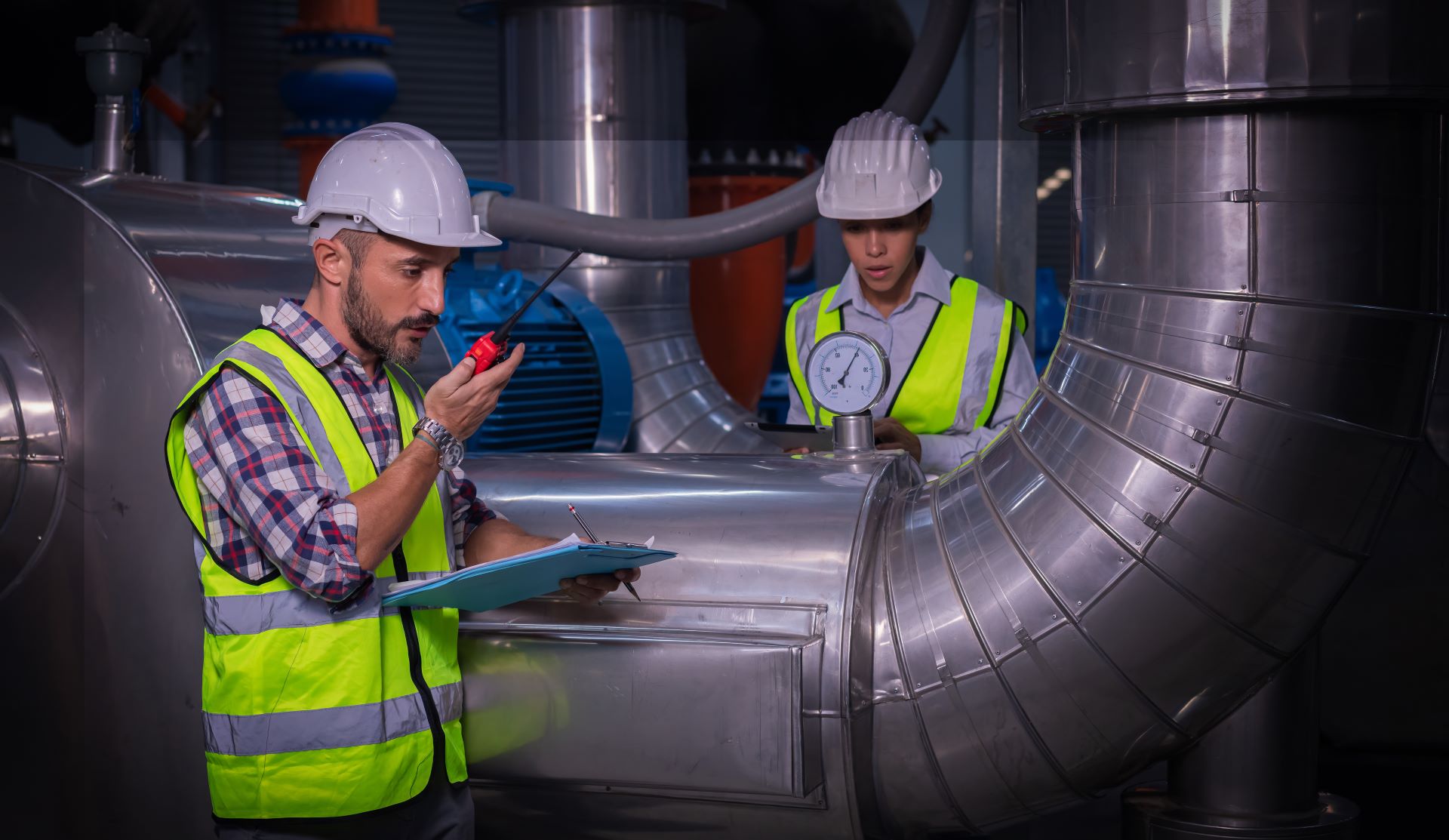
Pipe leaks in Dubai constitute a silent but high-consequence failure mode, resulting in substantial water wastage (frequently 20–40% of metered volume), escalating DEWA bills under tiered tariffs, subsoil erosion leading to settlement or void formation, flooding of basements and electrical rooms, contamination of groundwater, and secondary damage to MEP systems, finishes, and structural elements. Typical failure mechanisms include internal corrosion in older ductile iron pipes, joint separation in PVC systems, ground movement cracking HDPE, poor original installation, third-party damage, and thermal expansion/contraction stresses in extreme ambient conditions.
Our methodology follows BS EN 805 (water supply), BS EN 1610 (sewage systems), and Dubai Municipality utility guidelines. Detection begins with non-invasive techniques: acoustic correlators utilizing multi-sensor arrays for pinpoint accuracy (±0.5 m), thermal imaging cameras identifying cold spots from escaping water, pressure transient logging to detect drops over time, and tracer gas injection (hydrogen/nitrogen mix) for challenging or small-volume leaks. Invasive confirmation employs vacuum excavation potholing to expose the defect without striking adjacent services.
Repair techniques are selected according to pipe material, diameter, pressure class, and shutdown constraints: full section replacement (cut-out and insertion of new pipe using mechanical couplings for ductile iron/PVC or butt/electrofusion for HDPE), external clamp or saddle repairs for pinhole leaks, internal cured-in-place pipe (CIPP) lining for minimal-disruption rehabilitation of larger mains, and pipe bursting for severely corroded or collapsed sections. All joints and fittings are pressure-tested to 1.5× working pressure with a minimum 2-hour hold period and no allowable drop.
For potable water systems, disinfection follows DM protocols: chlorination to achieve 0.2–0.5 mg/L free residual chlorine, followed by flushing, sampling, and laboratory analysis to confirm compliance. Backfill is compacted in controlled layers to 95% modified Proctor density, with warning tape and marker posts installed.
UAE-specific challenges are proactively managed. Shutdown coordination with DEWA is mandatory for mains exceeding 200 mm diameter, with night works standard to minimize customer impact. High groundwater requires continuous dewatering during repair. Fusion operations on HDPE are performed under shade with controlled ambient conditions to maintain weld integrity.
Quantifiable performance includes average repair completion for 150 mm lines within 12–36 hours, immediate cessation of water loss upon isolation, and avoidance of cumulative penalties and damage costs ranging from AED 50,000 to 500,000 seen in delayed or incorrect repairs.
Variations encompass emergency burst response, proactive leak detection surveys using permanent acoustic loggers, large-diameter mains (>600 mm), vertical riser repairs in high-rise buildings, and trenchless rehabilitation options where excavation is restricted.
In conclusion, pipe leak rectification in Dubai is a time-critical, high-liability activity requiring rapid, accurate diagnosis, engineered repair, thorough testing, and regulatory compliance to protect infrastructure, public health, and financial performance. Our multi-method detection, certified repair techniques, rigorous disinfection and pressure testing, and 24/7 emergency capability deliver first-time-fix reliability and long-term system integrity in one of the region’s most demanding utility operating environments.


