
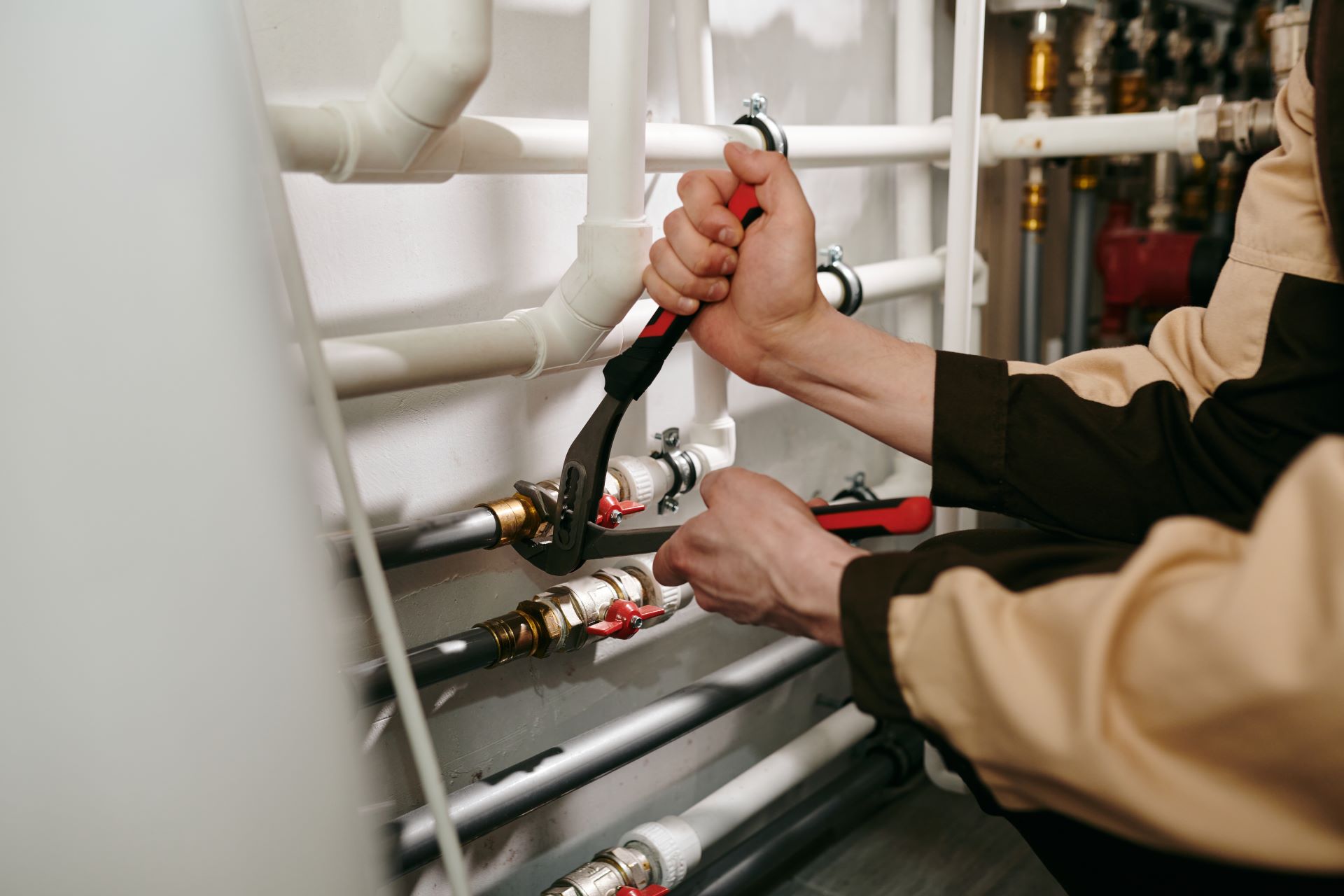
Plumbing systems in Dubai must perform reliably under aggressive conditions: high ambient humidity promoting condensation and mold, saline municipal water accelerating corrosion, intermittent high demand in towers and hotels, and zero tolerance for failure during DM inspections or DEWA handover. Deficiencies manifest as persistent drips, pressure fluctuations, blockages causing overflow, water hammer damaging joints, bacterial growth in stagnant lines, excessive consumption breaching DEWA efficiency mandates, and costly rectification that disrupts occupancy and generates insurance claims.
Our methodology adheres to the latest Dubai Municipality Plumbing Regulations, DEWA water supply and efficiency standards, British Standard BS EN 806 (water installations), and relevant sections of the Dubai Building Code. Design review incorporates hydraulic calculations for peak demand, minimum flow rates at outlets, hot water circulation to prevent legionella (maintaining >50 °C return temperature), and greywater recycling where mandated for irrigation or flushing.
Material selection prioritizes durability and compatibility: cross-linked polyethylene (PEX) or chlorinated polyvinyl chloride (CPVC) for hot/cold supply in residential and commercial applications, unplasticized PVC (uPVC) and cast iron for drainage and soil stacks, stainless steel or copper where hygiene or fire resistance is critical. All materials comply with DM-approved lists and carry appropriate WRAS or equivalent certification.
Installation follows phased rough-in (pipes embedded in slabs/walls with protective sleeving), pressure testing of supply lines at 1.5× working pressure (minimum 10–15 bar hold), smoke or air testing of drainage to confirm joint integrity and gradient compliance (minimum 1:40 for branches, 1:80 for mains), fixture mounting with anti-scald thermostatic mixing valves, water-saving aerators and dual-flush cisterns, final system flushing, disinfection (chlorination for potable lines), and comprehensive flow/pressure verification at all outlets.
Hot water systems incorporate insulated distribution to minimize heat loss, circulation pumps with timer or demand control, and expansion vessels to accommodate thermal expansion. Greywater systems, where implemented, include filtration, storage, and separate distribution to non-potable uses per DM guidelines.
Testing is exhaustive: hydrostatic pressure for supply, low-pressure air/smoke for drainage, CCTV inspection of concealed runs, thermal imaging to detect hidden leaks, and microbial sampling where legionella risk exists. All defects are rectified prior to handover, with certified test reports and as-built drawings provided.
UAE-specific challenges are proactively managed. Saline water corrosion is countered with non-metallic supply piping and protective coatings on metallic components. High-rise pressure management employs break tanks and booster pumps. Heat gain in risers is minimized through insulation and shading. Legionella control follows DM and WHO guidelines with regular flushing protocols and temperature monitoring.
Quantifiable outcomes include 100% DM inspection pass rates on first submission, zero post-handover plumbing-related complaints in completed projects, and water consumption reductions of 20–40% through efficient fixtures and leak-free systems, avoiding DEWA penalties and supporting Estidama/LEED credits.
Variations encompass full plumbing fit-out for new builds, retrofits and upgrades in existing structures, high-rise riser replacements, greywater recycling integration, fire-fighting riser coordination with DCD requirements, and emergency leak detection/repair.
In conclusion, plumbing in Dubai is a critical building service where quality of installation, material selection, testing rigor, and regulatory compliance directly determine occupant satisfaction, operational cost, and asset longevity. Our disciplined approach combining code-compliant design, certified materials, comprehensive testing, and proactive risk management delivers leak-free, efficient, and inspection-ready systems in one of the world’s most demanding urban construction environments.


