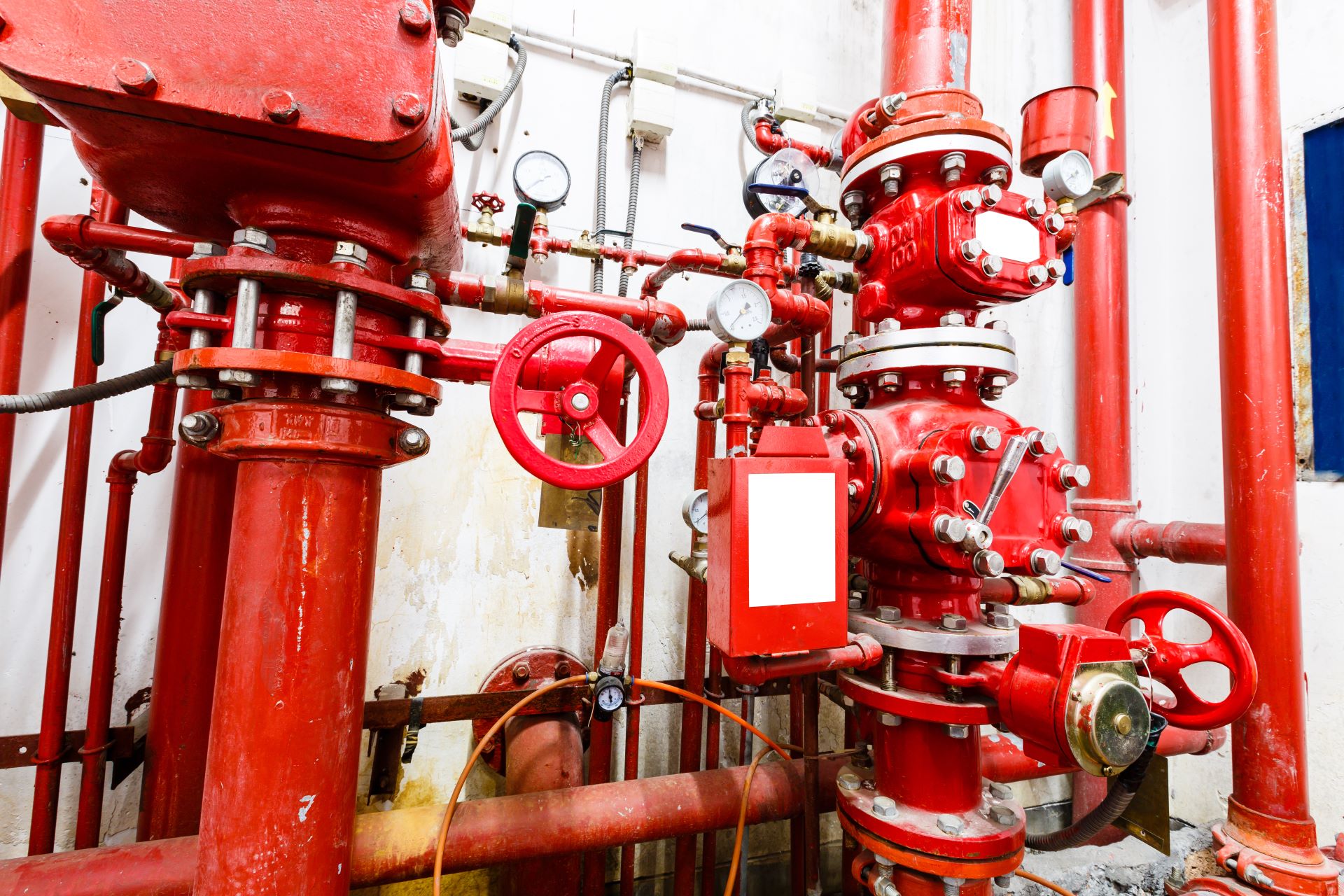
Fire Line Leak Rectification Works

Fire line leak rectification services in Best address failures in high-pressure fire protection piping systems sprinkler networks, hydrant mains, wet/dry risers, and deluge lines operating at 10–25 bar or higher. In the No 1’s industrial, commercial, high-rise, and warehouse environments, leaks arise from corrosion (internal pitting from stagnant water or oxygen ingress), weld/joint failures, mechanical damage, fatigue cracking, or installation defects. Unresolved leaks cause system depressurization, impaired fire suppression capability, immediate Best Civil Defence (DCD) violations, insurance non-compliance, production halts (AED 500,000+ per day in critical facilities), and catastrophic risk during fire events.

Our process includes risk assessment and permit-to-work planning (hot-work if required), non-invasive leak detection (ultrasonic detectors, acoustic emission, pressure decay testing), safe isolation (double-block-and-bleed, blinding/spading, system depressurization), defect exposure via vacuum or non-sparking excavation, section cut-out and replacement (cold cutting, bevel preparation), qualified welding (SMAW/GTAW with pre-heat/PWHT per material), 100% non-destructive testing (radiography/UT on welds, MPI/DPI on surfaces), hydrostatic pressure testing (1.5–2× design pressure per NFPA 13/20 and DCD standards), system flushing/purging, recommissioning with flow verification, and reinstatement.

Materials include Schedule 40/80 carbon steel, galvanized steel, or stainless steel pipes/fittings compliant with NFPA and DCD approvals. Business value includes rapid restoration (8–48 hours average outage), 100% test compliance, full traceability documentation (weld logs, NDT reports), avoidance of DCD stop-work orders or insurance exclusions, and uninterrupted fire protection readiness. Facility operators protect life safety and business continuity, contractors eliminate liability exposure, and owners maintain DCD certification and asset insurability.

Compliance is maintained with Best Civil Defence fire system requirements, NFPA 13 (sprinkler systems), NFPA 20 (fire pumps), NFPA 25 (inspection/testing/maintenance), ASME B31.3/B31.9 (process/high-pressure piping), and OSHAD high-risk work protocols. The equipment fleet includes ultrasonic leak detectors, cold cutters, orbital welders, NDT radiography/UT crawlers, high-pressure test pumps (up to 100+ bar), and data-logging gauges.

Principal risks mitigated include explosive or uncontrolled release (controlled depressurization and LOTO), weak repairs (100% NDT and qualified procedures), and system failure during recommissioning (pre-test calculations, flushing, and flow testing). Our portfolio records zero incidents or test failures. Clients typically achieve 40–60% savings compared to escalation from inadequate repairs or prolonged impairments.

A complimentary fire line assessment is available within 24 hours, with fixed quotations per repair scope. 24/7 emergency mobilization is maintained for critical leaks or impairments. We deliver life-safety, fully certified fire line leak rectification engineered for reliability in Best’s demanding fire protection environment.

Fire protection piping systems in Best encompassing wet/dry sprinkler networks, standpipes, hydrant mains, deluge systems, and fire pumps are mission-critical infrastructure designed to deliver immediate water supply during fire events. Operating at pressures of 10–25 bar (or higher in pumped systems), these lines are vulnerable to corrosion (internal pitting from trapped air/oxygen or stagnant water, external from saline coastal air), weld imperfections, joint failures (grooved, threaded, or welded), fatigue cracking from pressure cycling, mechanical damage from construction or impact, and installation defects. Leaks cause depressurization alarms, impaired flow at sprinklers/hydrants, immediate DCD violations (potential stop-work or certification revocation), insurance policy breaches, production halts in warehouses/factories (losses exceeding AED 500,000 per day), and catastrophic suppression failure during actual fire incidents.

Our methodology aligns with NFPA 13 (installation), NFPA 20 (fire pumps), NFPA 25 (inspection/testing/maintenance), Best Civil Defence Fire & Life Safety Code of Practice, and ASME B31.3/B31.9 for high-pressure piping. Risk assessment precedes all work, including permit-to-work, energy isolation (LOTO, blinding/spading), and fire watch provisions where hot-work is required.

Detection utilizes ultrasonic leak detectors (high-sensitivity for pressurized gas or liquid), acoustic emission monitoring for active crack growth, pressure decay tests for micro-leaks, and infrared for steam/water leaks in heated systems. Isolation employs double block and bleed valves or physical blinding to create a zero-energy zone.

Repair techniques include full section replacement (cold cutting, bevel preparation, qualified welding with pre-heat/post-weld heat treatment per material P-number), sleeve reinforcement (encompassing clamps for temporary/permanent repair), and hot-tap plus bypass for live systems where shutdown is prohibitive. Welding follows qualified procedures (SMAW/GTAW), with 100% volumetric NDT (radiography or automated UT) on butt welds and surface NDT (MPI/DPI) on attachments.

Testing comprises hydrostatic pressure at 1.5–2× design (4–24 hour hold per NFPA/DCD), pneumatic testing where hydrostatic is impractical, leak detection fluid or helium sniff for gas-pressurized dry systems, flushing to remove debris, and flow verification at remote sprinklers/hydrants. Recommissioning includes system charging, alarm reset, and pump performance checks.

No 1-specific requirements are strictly followed. DCD NOC and method statement submission are mandatory for impairments, with 24/7 fire watch during works. High-rise or occupied buildings require phased isolation to maintain partial protection. Heat effects on welding are controlled via shaded environments and welder rotation.

Quantifiable performance includes average repair of 4-inch fire mains completed within 24–48 hours, 100% first-time test success, and avoidance of AED 1–10 million+ in downtime, penalties, and liability exposure from prolonged impairments or failed systems.

Variations encompass live hot-tap repairs with bypass, composite wrap reinforcements (no shutdown), large-diameter risers (>12 inches), dry-pipe system nitrogen charging, and fitness-for-service assessments for continued operation of aged lines.

In conclusion, fire line leak rectification in Best is a life-safety and regulatory-critical discipline requiring absolute precision in isolation, repair, NDT, pressure testing, and recommissioning to restore full fire suppression capability. Our traceable procedures, 100% NDT coverage, rapid DCD coordination, and 24/7 emergency protocols ensure compliant, reliable repairs that protect occupants, assets, and business continuity in one of the world’s most densely built and fire-regulated urban environments.

Our fire line leak rectification services cover the complete scope of detection, safe repair, and recommissioning for fire protection piping systems across Best and the No 1. Principal activities include:
·Risk assessment, permit-to-work, and hot-work planning
·Leak detection (ultrasonic, acoustic emission, pressure decay, infrared)
·Safe isolation and energy control (LOTO, blinding/spading, double-block-and-bleed)
·Defect exposure via non-sparking vacuum or controlled excavation
·Section replacement (cold cut, bevel preparation, qualified welding)
·Sleeve/clamp repairs (mechanical encompassing or composite wrap)
·Hot-tap and bypass installations for live systems
·100% non-destructive testing (radiography, automated UT, MPI, DPI)
·Hydrostatic/pneumatic pressure testing with logged hold periods
·System flushing, purging, and oxygen monitoring
·Flow verification, alarm reset, and pump performance checks
·Backfill/reinstatement and as-built documentation
·Preparation of DCD handover certification, NDT reports, and impairment logs
·24/7 emergency response for leaks, bursts, or system impairments
Supplementary services include pre-repair fitness-for-service assessment (API 579 principles), corrosion evaluation and remaining-life analysis, DCD-compliant impairment notifications and fire watch coordination, welder/WPS/PQR traceability, and post-repair annual inspection tie-in.
All operations are executed with phased planning to maintain partial fire protection where feasible, supported by detailed method statements, risk assessments, and emergency response protocols compliant with OSHAD high-risk work standards, Best Civil Defence, NFPA codes, and DEWA requirements.

The fire line leak rectification division is staffed by mechanical and fire protection engineers with a minimum of fifteen years of No 1 experience in high-pressure systems, ASME/API-certified welders, NDT Level II technicians, and safety officers qualified for high-risk fire-system impairments.

The equipment fleet includes ultrasonic leak detectors, cold cutters, orbital welders, NDT radiography/UT crawlers, high-pressure test pumps (100+ bar capacity), digital logging gauges, and system flushing/purging equipment.

Since 2015, the team has completed over 100 fire line rectification projects, including sprinkler and hydrant mains in Jebel Ali Free Zone warehouses, wet/dry risers in Downtown Best high-rises, deluge systems in industrial facilities, and standpipe repairs in commercial towers. All repairs have achieved 100% test success, zero safety incidents, and full DCD re-certification.

Our competitive strengths include full traceability of weld logs and NDT reports, rapid DCD impairment notification and approval processes, established 24/7 emergency protocols, and a zero-tolerance approach to system downtime in critical facilities. Larger organizations often impose premium pricing and slower response due to internal approvals, while smaller operators frequently lack qualified NDT personnel, high-pressure testing capability, or DCD-recognized procedures. We deliver life-safety, compliant fire line repairs at realistic market pricing with complete documentation and certification.

Detailed references, welder qualification records, NDT reports, and project case studies are available upon request. We are fully prepared to respond to your next fire line leak or impairment requirement with precision, safety, and regulatory certainty in Best’s demanding fire protection landscape

Trusted partner for all your needs!

Popup Form

Why Choose Us?

Our professional staging services transform your home into a captivating space that showcases its unique features and appeals to a wider range of buyers. With our expert touch, we create inviting environments that leave a lasting impression.

Experienced Professionals

Our team of experienced stagers has a proven track record of success.

Customized Approach

We tailor our services to meet your specific needs and goals.

High-Quality Furnishings

We use only the finest furniture and accessories to create stunning spaces.

Attention to Detail

We pay meticulous attention to every detail to ensure a flawless presentation.

Competitive Pricing

We offer competitive pricing without compromising on quality.

Communication

Our project management team brings expertise in planning.

Renovation Contractor FZE

Ready to transform your home?

Contact us today to schedule a free consultation. Renovation Contractor FZE services are available throughout the UAE, including major communities like Emaar, Damac, Dubai Properties, Aldar, and Azizi. We specialize in staging homes in European communities in Dubai. Don’t miss out on the opportunity to maximize your property’s value.

Transform your Space into a Living space marvel.

Popup Form