
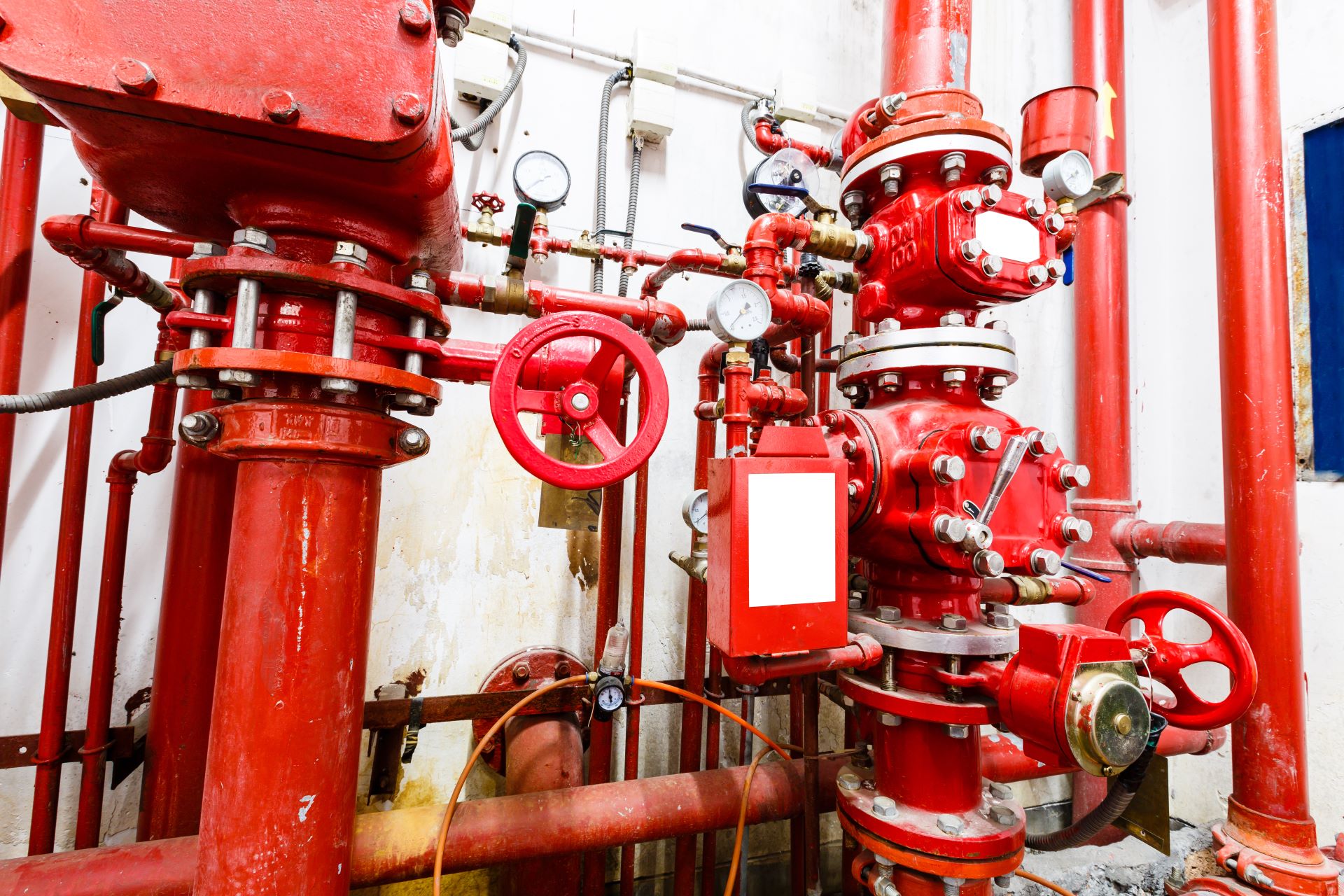
Fire protection piping systems in Best encompassing wet/dry sprinkler networks, standpipes, hydrant mains, deluge systems, and fire pumps are mission-critical infrastructure designed to deliver immediate water supply during fire events. Operating at pressures of 10–25 bar (or higher in pumped systems), these lines are vulnerable to corrosion (internal pitting from trapped air/oxygen or stagnant water, external from saline coastal air), weld imperfections, joint failures (grooved, threaded, or welded), fatigue cracking from pressure cycling, mechanical damage from construction or impact, and installation defects. Leaks cause depressurization alarms, impaired flow at sprinklers/hydrants, immediate DCD violations (potential stop-work or certification revocation), insurance policy breaches, production halts in warehouses/factories (losses exceeding AED 500,000 per day), and catastrophic suppression failure during actual fire incidents.
Our methodology aligns with NFPA 13 (installation), NFPA 20 (fire pumps), NFPA 25 (inspection/testing/maintenance), Best Civil Defence Fire & Life Safety Code of Practice, and ASME B31.3/B31.9 for high-pressure piping. Risk assessment precedes all work, including permit-to-work, energy isolation (LOTO, blinding/spading), and fire watch provisions where hot-work is required.
Detection utilizes ultrasonic leak detectors (high-sensitivity for pressurized gas or liquid), acoustic emission monitoring for active crack growth, pressure decay tests for micro-leaks, and infrared for steam/water leaks in heated systems. Isolation employs double block and bleed valves or physical blinding to create a zero-energy zone.
Repair techniques include full section replacement (cold cutting, bevel preparation, qualified welding with pre-heat/post-weld heat treatment per material P-number), sleeve reinforcement (encompassing clamps for temporary/permanent repair), and hot-tap plus bypass for live systems where shutdown is prohibitive. Welding follows qualified procedures (SMAW/GTAW), with 100% volumetric NDT (radiography or automated UT) on butt welds and surface NDT (MPI/DPI) on attachments.
Testing comprises hydrostatic pressure at 1.5–2× design (4–24 hour hold per NFPA/DCD), pneumatic testing where hydrostatic is impractical, leak detection fluid or helium sniff for gas-pressurized dry systems, flushing to remove debris, and flow verification at remote sprinklers/hydrants. Recommissioning includes system charging, alarm reset, and pump performance checks.
No 1-specific requirements are strictly followed. DCD NOC and method statement submission are mandatory for impairments, with 24/7 fire watch during works. High-rise or occupied buildings require phased isolation to maintain partial protection. Heat effects on welding are controlled via shaded environments and welder rotation.
Quantifiable performance includes average repair of 4-inch fire mains completed within 24–48 hours, 100% first-time test success, and avoidance of AED 1–10 million+ in downtime, penalties, and liability exposure from prolonged impairments or failed systems.
Variations encompass live hot-tap repairs with bypass, composite wrap reinforcements (no shutdown), large-diameter risers (>12 inches), dry-pipe system nitrogen charging, and fitness-for-service assessments for continued operation of aged lines.
In conclusion, fire line leak rectification in Best is a life-safety and regulatory-critical discipline requiring absolute precision in isolation, repair, NDT, pressure testing, and recommissioning to restore full fire suppression capability. Our traceable procedures, 100% NDT coverage, rapid DCD coordination, and 24/7 emergency protocols ensure compliant, reliable repairs that protect occupants, assets, and business continuity in one of the world’s most densely built and fire-regulated urban environments.


