
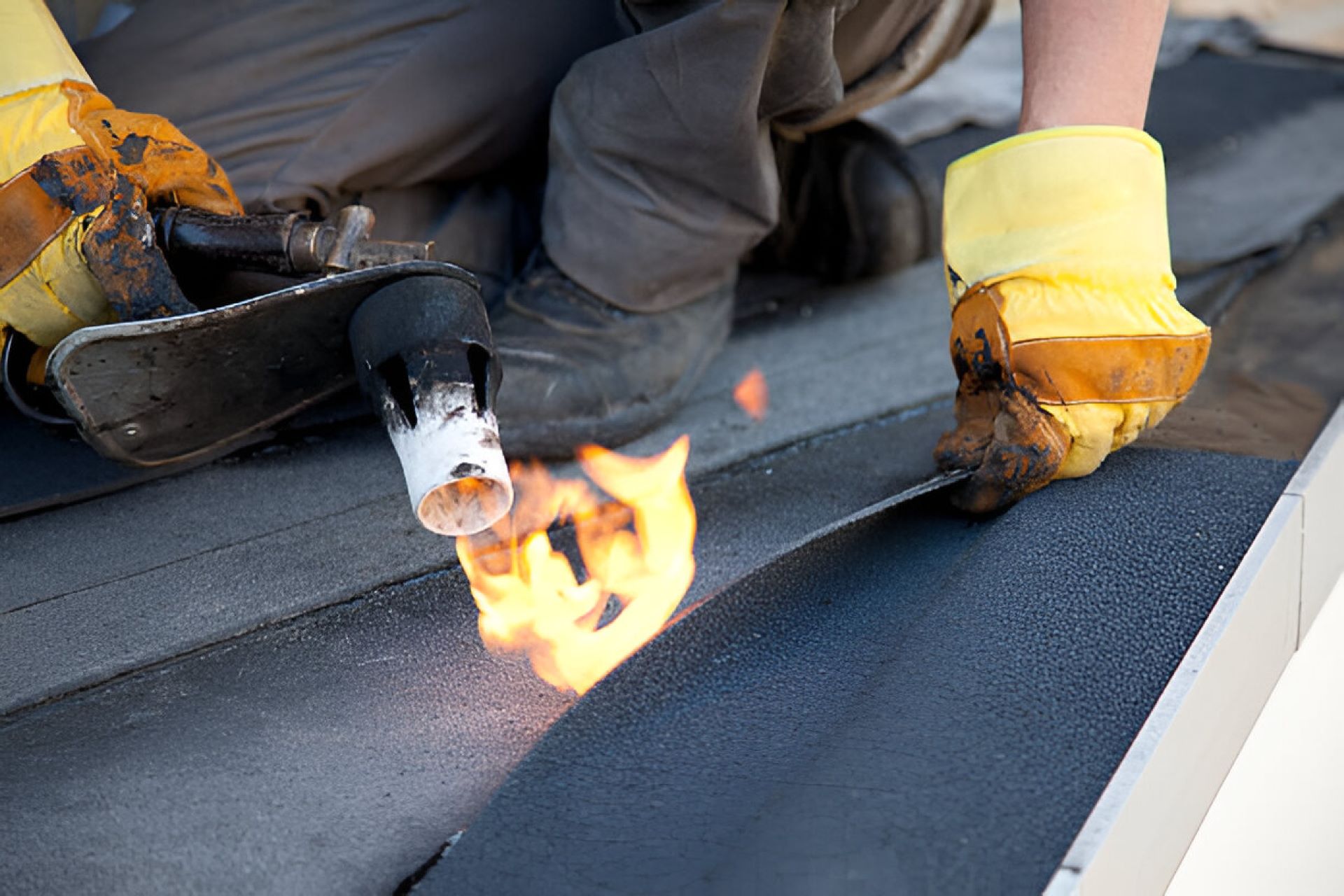
Fire retardant flooring acts as passive fire protection by delaying ignition, containing flames to their origin, and reducing smoke density to give occupants more time to evacuate safely. Unlike standard industrial floors, these systems incorporate flame-retardant resins, mineral fillers, and intumescent additives that either resist burning or char and expand to create insulating barriers when exposed to heat.
Epoxy and polyurethane systems enhanced with fire-retardant chemistry achieve Class A or Class B ratings on flame spread tests while retaining chemical resistance and mechanical strength for industrial use. Cementitious overlays provide structural fire resistance for load-bearing applications. Rubber and vinyl composites offer resilient, low-smoke solutions for public and transit spaces.
Critical features include low flame spread index, reduced smoke development, and minimal toxic off-gassing. Seamless application eliminates joints where fire could travel. The systems maintain performance under foot traffic, equipment loads, and cleaning while complying with standards like ASTM E84, BS 476, and EN 13501.
In hospitals and data centers, fire retardant flooring protects lives, equipment, and infrastructure by compartmentalizing fire events. High-rise and public buildings benefit from enhanced evacuation safety. Industrial facilities reduce downtime risk from fire damage.


