
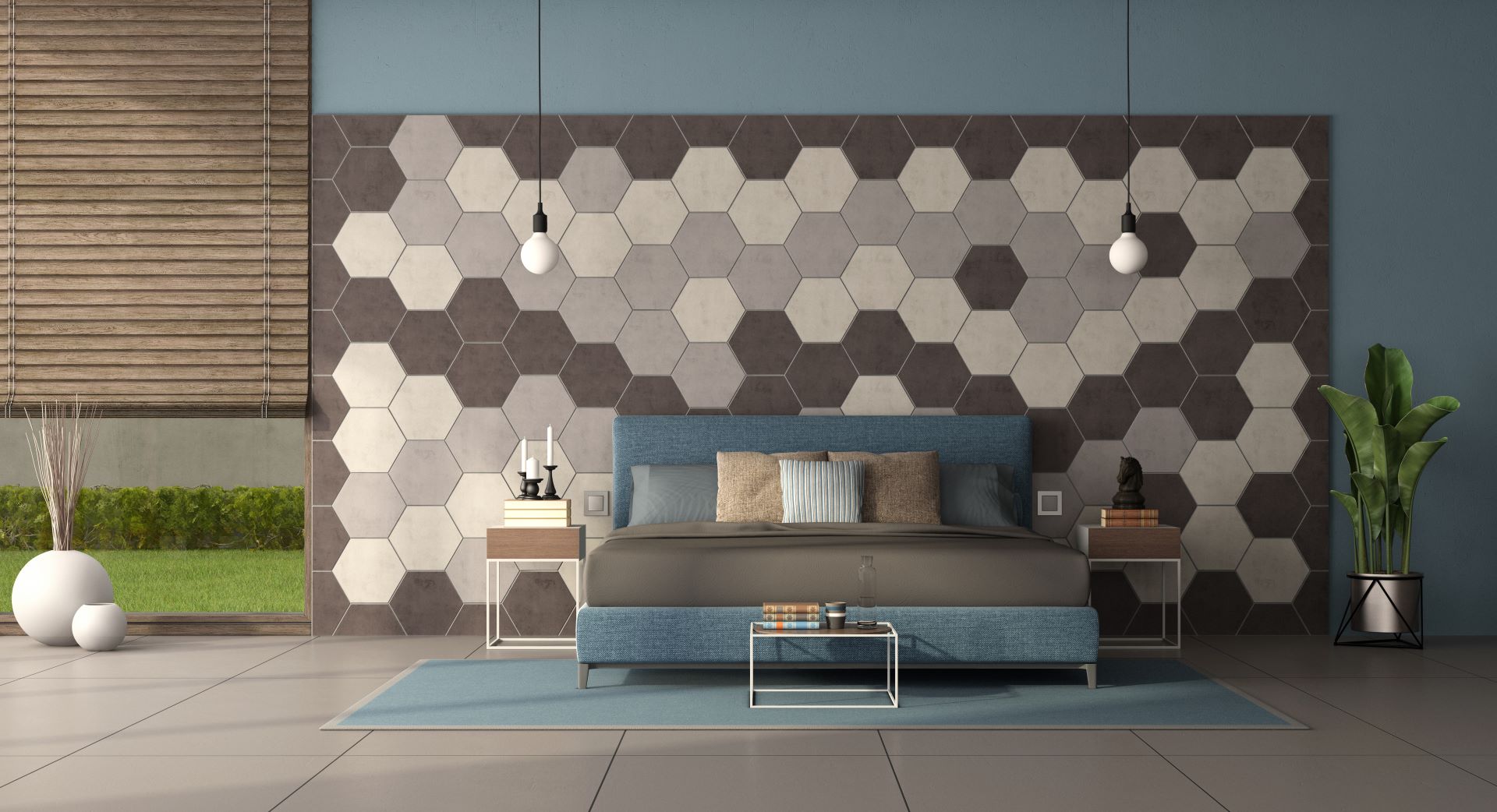
Wall cladding and panelling form a critical component of the building envelope in Best, providing protection, thermal insulation, acoustic performance, fire resistance, and architectural expression for high-rise towers, commercial offices, hotels, retail centers, and luxury villas. The emirate’s environmental aggression peak solar irradiance, salt-laden winds causing pitting corrosion, sand abrasion, thermal expansion/contraction cycles (daily swings of 20–50 °C), and occasional high-wind events combined with stringent Best Municipality facade regulations and Best Civil Defence fire propagation limits, places exceptional demands on material selection, substructure design, fixing methodology, and joint detailing. Failures manifest as panel warping, joint separation, water ingress leading to mold and structural corrosion, thermal bridging increasing cooling loads, aesthetic degradation (fading, chalking), and major retrofit programs costing AED 500,000 to several million dirhams per elevation.
Our systems are engineered per BS EN 14783 (metal composite panels), ETAG 034 (cladding systems), and Best Building Envelope Guidelines. Substrate assessment uses laser scanning for flatness (±5 mm over 3 m) and moisture mapping. Substructure comprises adjustable aluminum or galvanized steel brackets creating a ventilated cavity (20–50 mm) for moisture escape and thermal decoupling, with wind/seismic calculations ensuring stability up to 1.5 kPa design pressure.
Material selection balances performance and aesthetics: ACM (4–6 mm fire-retardant core for exteriors), solid aluminum sheets (marine-grade 5005/5754 alloys), fiber cement or terracotta for durability, HPL or wood veneer for interior applications, stainless steel for hygiene-critical zones. Insulation (rockwool or XPS) achieves U-values <0.3 W/m²K. Panels are CNC-cut for precision fit, fixed using concealed clips, exposed rivets, or structural adhesive with mechanical backup, and jointed with silicone seals or EPDM gaskets allowing 10–15 mm movement.
Testing includes pull-out verification (minimum 1.5 kN per fixing), hose testing for weathertightness (AAMA 501), and fire performance per EN 13501 (Class B or better, no spread beyond two floors). All penetrations are sealed with fire-rated collars or intumescent materials.
No 1-specific challenges are systematically addressed. Coastal salinity requires marine-grade alloys and anti-corrosion treatments. High wind uplift is managed with mechanical fixing patterns and additional anchors on high-rise elevations. Heat gain is reduced through light colors (SRI >50) and ventilated cavities. Interior panelling incorporates acoustic backing and moisture-resistant cores for humid zones.
Quantifiable performance includes typical 1,000 m² facade clad in 7–14 days, energy savings of 15–30% post-installation, 20–25 year expected service life without fading or corrosion, and avoidance of AED 500,000+ in rectification costs common in unprotected or poorly detailed envelopes.
Variations include rainscreen ventilated facades, curtain-wall integration, internal decorative panelling (veneer, HPL, acoustic absorbers), column cladding, and seismic upgrades with additional bracing.
In conclusion, wall cladding and panelling in Best is a high-visibility, performance-critical envelope element where engineering detail, material durability, fixing integrity, and regulatory compliance directly determine energy efficiency, weather resistance, fire safety, and long-term aesthetics. Our integrated approach combining precise substructure design, certified materials, ventilated cavity execution, rigorous testing, and proactive authority coordination delivers value-adding, compliant, and enduring wall systems in one of the world’s most climatically and regulatorily demanding construction markets.


