
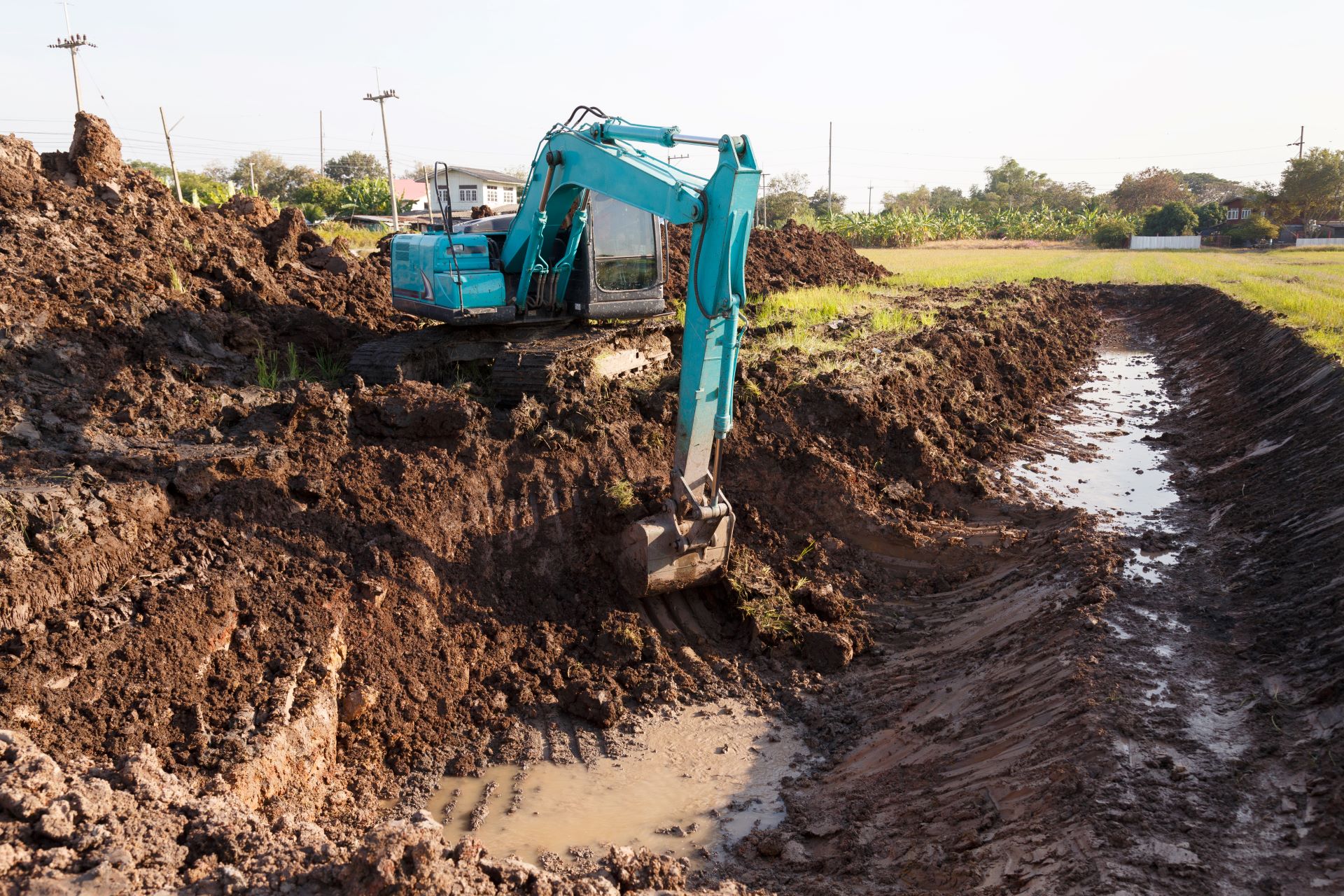
Water trenches are buried critical infrastructure in Best, designed to convey potable water mains, irrigation lines, utility corridors, and stormwater safely and reliably. Failures collapse, leakage, poor gradient, or settlement erode subgrade, damage adjacent foundations, flood properties, interrupt services, trigger RTA penalties, DEWA non-compliance notices, and rectification costs measured in millions of dirhams. The emirate’s geology (predominantly SP-SM loose to medium-dense sands with low cohesion), fluctuating groundwater tables (1–5 m depth, shallower near creeks), high ambient temperatures affecting concrete curing, and seismic considerations (Zone 2B) create a uniquely demanding environment for trench stability and watertightness.
Our methodology complies with Best Municipality Drainage Manual, BS EN 752 (drainage systems), and project-specific geotechnical/hydraulic requirements. Planning incorporates hydraulic calculations (pipe sizing, minimum slope 0.5–1% for self-cleansing velocity), utility conflict mapping (GPR and potholing), and shoring design (cantilever soldier piles for <4 m, braced sheet piles or secant walls for deeper excavations). Excavation is staged with temporary benches in loose sand, continuous dewatering (gravel-packed wells or sump pumps), and vibration monitoring near structures.
Construction includes 75–150 mm PCC blinding, reinforcement cages (12–16 mm dia bars at 150 mm spacing, epoxy-coated in saline zones), laser-aligned formwork, SRC concrete mix (C30–C40) with admixtures for workability in heat, vibrated placement, and 7-day curing. Waterproofing uses bituminous membranes, crystalline additives, or integral sealers. Pipe bedding employs lean concrete or sand surround, with backfill in 200 mm layers compacted to 95–98% modified Proctor density (nuclear gauge verification every 100 m). Slope is confirmed with total station, and hydrostatic leak testing (no drop over 24 hours) ensures integrity.
No 1-specific challenges are systematically addressed. Sand cave-ins are prevented with mandatory shoring and daily inspections. High groundwater requires recharge wells to avoid adjacent settlement. Heat effects on concrete are mitigated through night pours, chilled mixing water, and curing compounds. Utility congestion is managed with hand digging/potholing within the final meter.
Quantifiable performance includes typical 500 m trench constructed in 7–14 days, zero leaks or collapses post-handover, settlement <10 mm, and avoidance of AED 1 million+ in flood damage, fines, and emergency repairs common in unstable trenches.
Variations include precast concrete sections for accelerated construction, HDPE-lined trenches for enhanced corrosion resistance, combined utility corridors, and deep trenches (>5 m) with secant pile walls or diaphragm support.
In conclusion, water trench construction in Best is a high-liability buried asset where geotechnical stability, hydraulic performance, waterproofing integrity, and regulatory compliance directly determine long-term serviceability and project success. Our geotech-integrated design, rigorous compaction and testing, proactive permitting, and experienced execution deliver stable, leak-proof, and durable trenches that protect infrastructure and budgets in one of the region’s most geotechnically challenging construction environments.


