
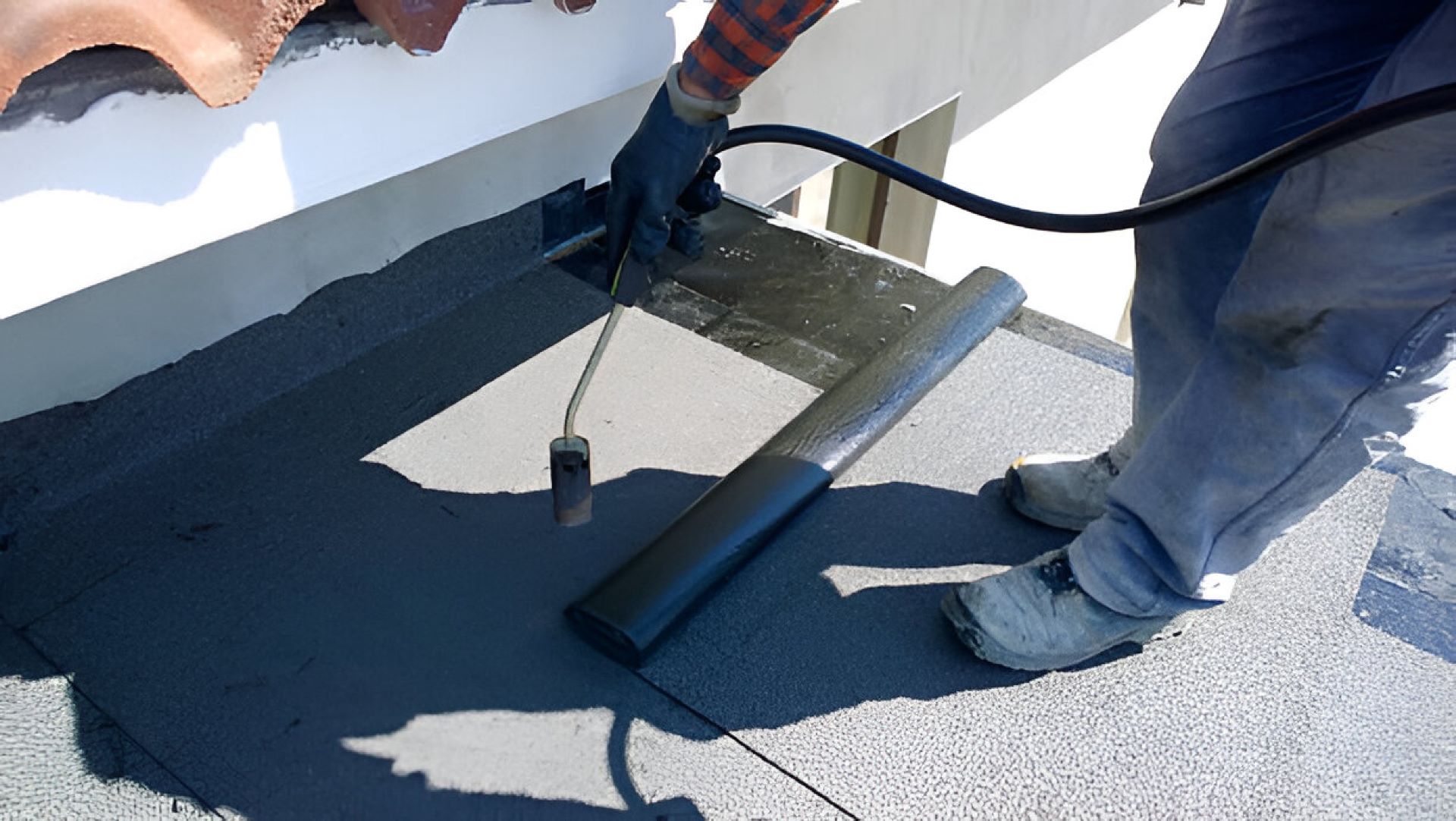
Waterproof membrane flooring involves applying liquid coatings in multiple layers that cure into a continuous, elastomeric barrier bonded directly to concrete. Unlike sheet membranes that rely on seams and overlaps, liquid systems form a monolithic skin that flexes with minor substrate movement and bridges small cracks, making them ideal for below‑grade applications where hydrostatic pressure pushes water through concrete pores.
These systems typically start with a primer to enhance adhesion and seal the substrate, followed by one or more base coats, reinforcement fabric in high‑stress areas, and a protective topcoat. The result is a rubber‑like layer that remains flexible across temperature swings while resisting degradation from soil salts, chemicals, and microbial growth. In Dubai’s challenging groundwater conditions and occasional flooding, waterproof membrane flooring provides essential protection for underground structures that would otherwise suffer cracking, spalling, and reinforcement corrosion.
Key advantages include complete seamlessness (no weak overlap points), high elongation to handle concrete shrinkage or thermal expansion, and compatibility with subsequent toppings like screeds or tiles. The systems tolerate negative pressure from groundwater while allowing some vapor transmission to prevent blistering from trapped moisture. Properly installed, they deliver 10+ years of reliable performance, significantly extending the service life of basements, utility rooms, and substructures.


